
The Astrology Behind the Discovery of the Dead Sea Scrolls
Over the past few years I have found myself becoming increasingly interested in the Book of Enoch and the traditions surrounding it. Whilst researching the text itself, I ended up going down a bit of a rabbit hole looking into the discovery of the Dead Sea Scrolls and so, naturally, I became curious about the astrology surrounding the time of their discovery.
The Dead Sea Scrolls were discovered in 1947 in caves near the Dead Sea by Bedouin shepherds and amongst the texts recovered were fragments of the Book of Enoch, an ancient Jewish apocalyptic text concerned with fallen angels, heavenly mysteries and the transmission of forbidden knowledge to humanity.
1947 was a strange time in history. The world was still recovering from the Second World War and humanity had suddenly found itself entering an entirely new age. Nuclear weapons existed, old systems and structures were beginning to collapse and technology was advancing at a pace never seen before. At the same time, there seemed to be a growing movement away from rigid religious structures and towards a more personal and spiritual search for meaning. Humanity was standing at the edge of something new, although I don’t think many people fully realised it yet.
And I find it really interesting that it was during this exact moment that ancient mystical texts, hidden away in caves for nearly two thousand years, suddenly resurfaced. Texts like the Book of Enoch challenged the idea that religious history was fixed, complete or fully understood and the symbolism of their discovery feels difficult to ignore.
The exact date and time of the discovery is debated, so rather than focusing too heavily on creating a precise event chart, I became more interested in looking at the broader planetary configurations and relationships between the planets themselves, although I have included a rough chart below for those who are curious.
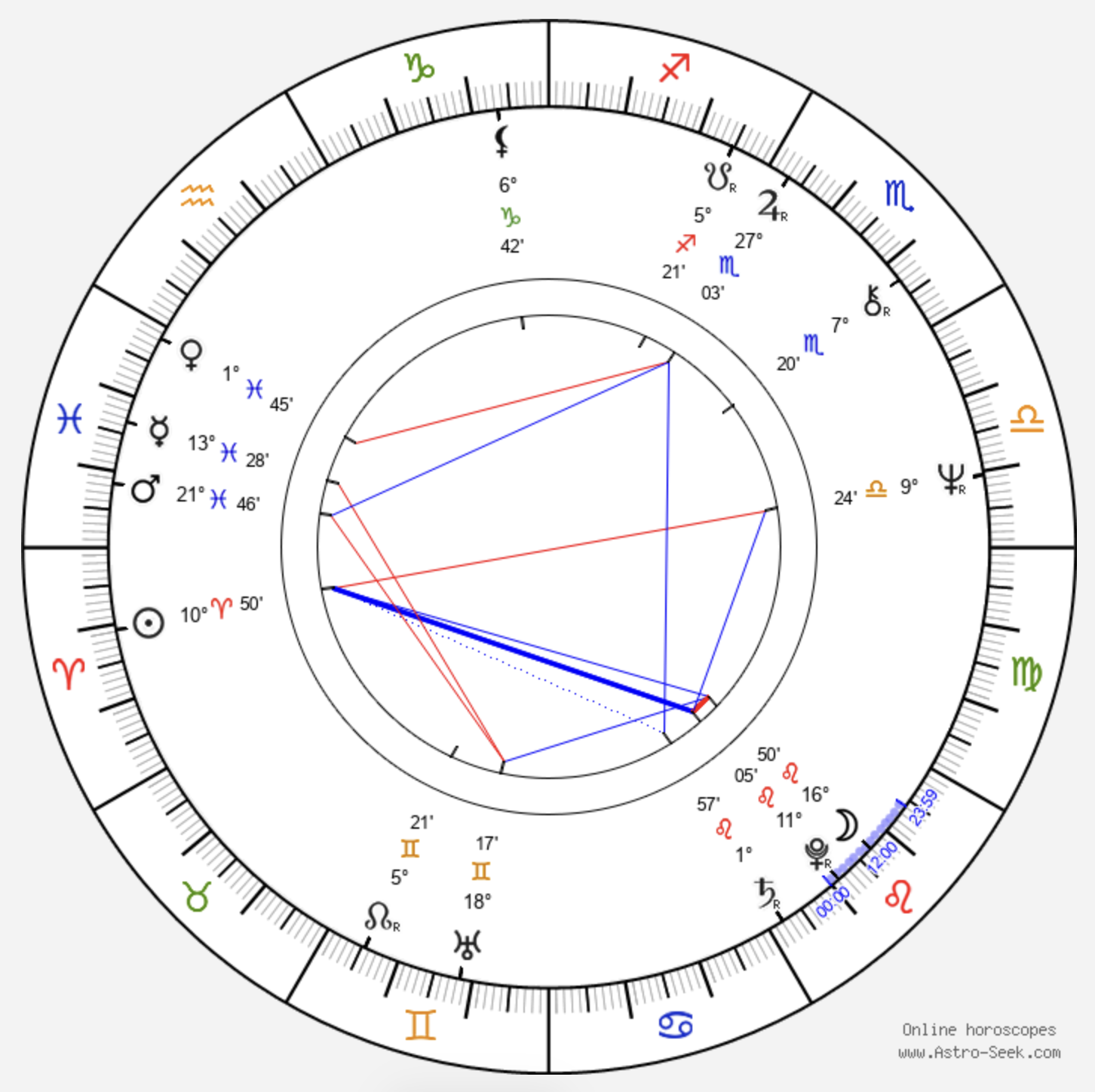
Astrological chart of 1st April 1947
One of the first things that stood out to me was the strong watery influence in the chart. Venus, Mercury and Mars are all placed in Pisces, a sign traditionally associated with mysticism, spiritual matters and transcendence. Considering that these texts were discovered beside the Dead Sea and contain deeply visionary material, this already feels significant.
In traditional astrology, Mercury rules writing, manuscripts, language and the transmission of knowledge. In Pisces however, Mercury seems to move more through symbols, visions and sacred mysteries rather than straightforward rationality. The Book of Enoch itself is deeply visionary in nature and is concerned with celestial beings, heavenly ascent and hidden cosmological knowledge, all themes that feel very fitting with Mercury in Pisces.
Another detail I found interesting was that Venus, Mercury and Mars in Pisces are all ruled by Jupiter, the traditional ruler of religion, sacred wisdom and divine law. Jupiter itself is placed in Scorpio, a sign traditionally associated with hidden things, secrets and what is concealed beneath the earth. This feels strangely appropriate considering the scrolls had remained hidden away in caves for centuries before being rediscovered.
Mars and Jupiter are also in mutual reception:
Mars in Pisces, ruled by Jupiter
Jupiter in Scorpio, ruled by Mars
In traditional astrology, mutual reception creates a relationship of cooperation between planets, almost as though they are assisting one another in carrying out their significations.
The symbolism feels incredibly descriptive of the discovery itself:
Mars is excavating and exposing
Jupiter is governing sacred knowledge
Scorpio is concealing all things subterranean
Pisces is revealing things of a spiritual and mystical nature
I also noticed that the Sun is trining Pluto, a configuration that feels fitting for the recovery of something ancient and hidden from beneath the earth and its return into collective awareness. The Sun brings things into the light of day and Pluto rules over all things subterranean, hidden and transformative.
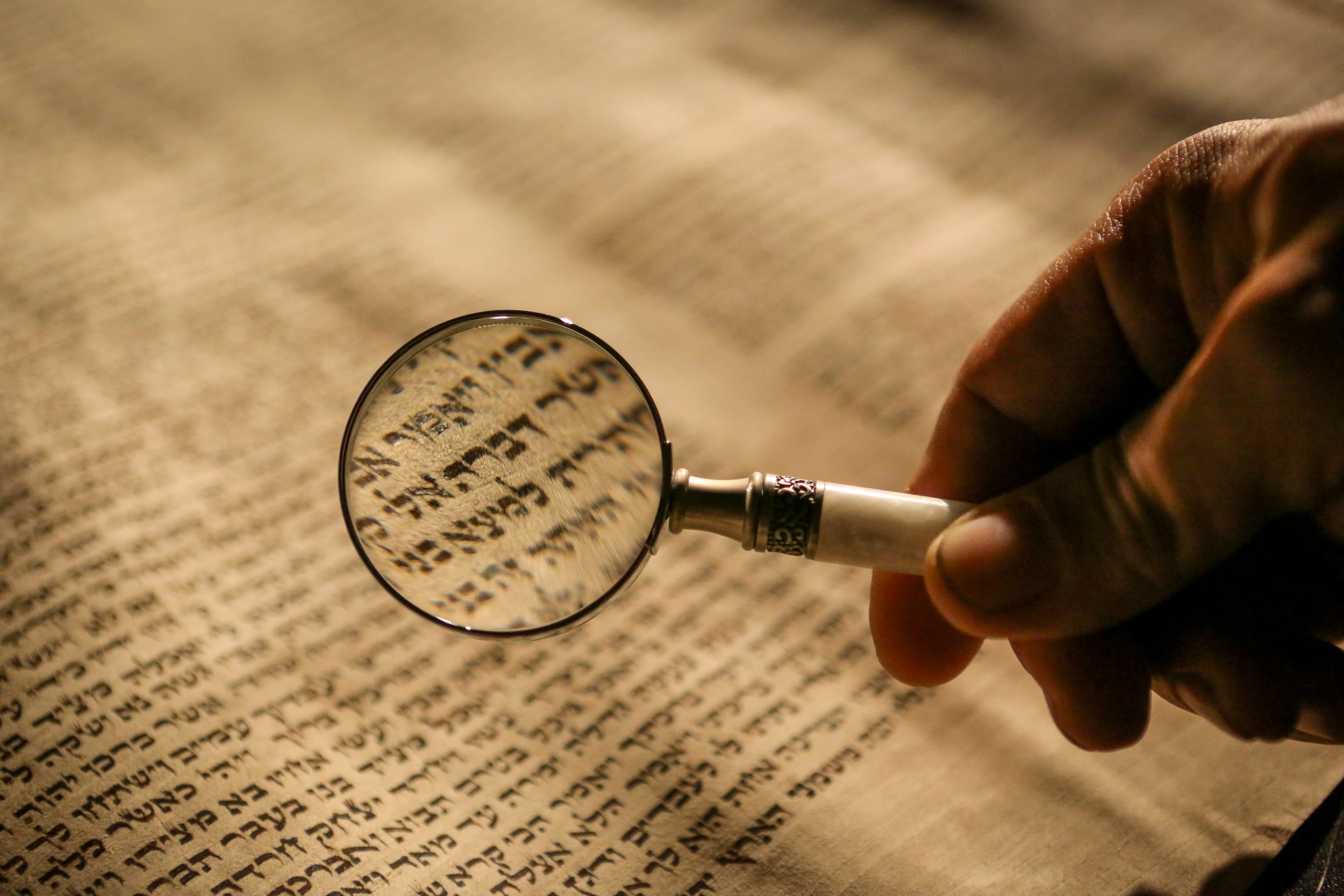
Photo by Mick Haupt on Unsplash
What I find especially interesting is that these texts resurfaced during a period where interest in astrology, mysticism and ceremonial magic was also beginning to grow again in the West. The late nineteenth and early twentieth centuries had seen a renewed interest in Hermeticism, ritual magic and older esoteric traditions, and by 1947 there seemed to be a growing desire to look beyond rigid religious structures in search of something more direct and experiential.
Although Enochian magic as developed by John Dee and Edward Kelley is historically separate from the Book of Enoch itself, both traditions share similar themes surrounding celestial knowledge, intermediary beings and communication between earthly and divine realms.
The figure of Enoch himself occupies an unusual role:
scribe
mystic
intermediary
receiver of heavenly knowledge
Perhaps that is part of why these texts continue to fascinate people today.
There is something enticing about these texts, concerned with celestial mysteries and forbidden knowledge, emerging from caves beneath the earth during one of the most transformative periods in modern history.